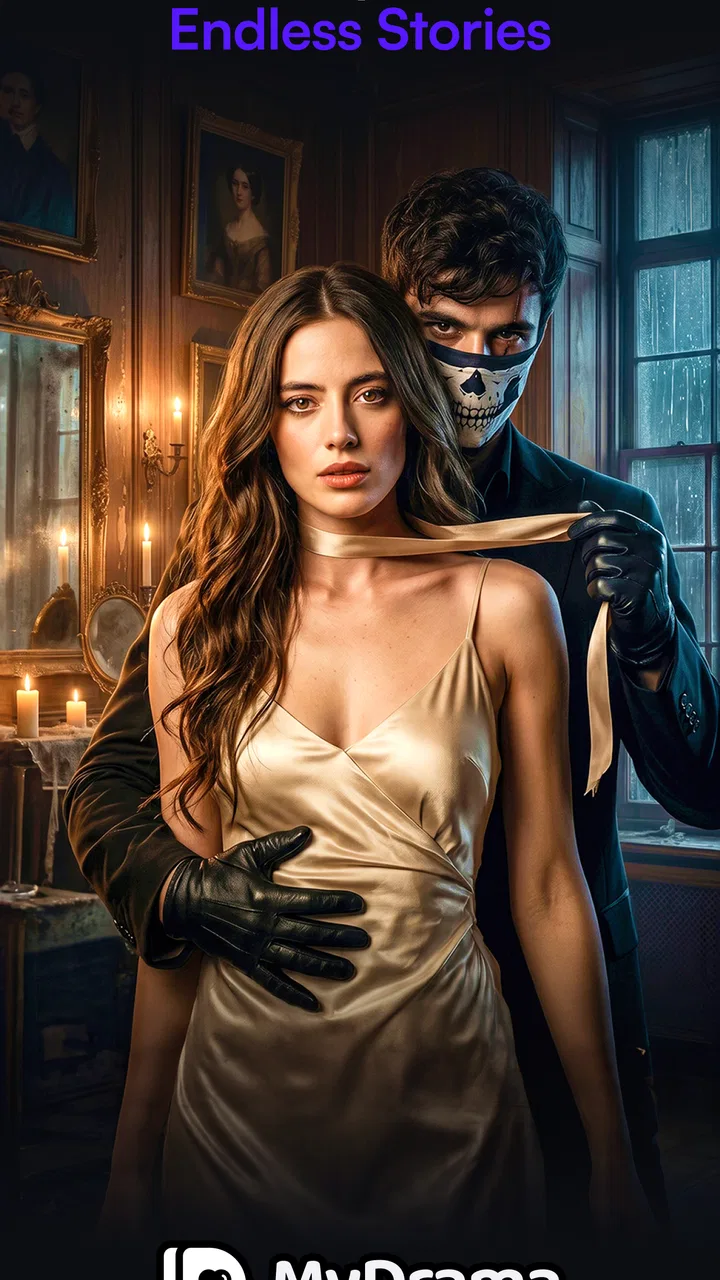
My Drama - Short Dramas Stream
- 4.2
- Rating
- 5.00M
- Installs
- Free
- Price

 Analysis by App-foxy
I opened My Drama expecting something easy to watch in spare moments, and that is exactly where it makes the most sense. This Android entertainment app focuses on short, vertical dramas and shows designed for a phone screen, so it feels closer to browsing a stream of compact story episodes than settling down for a traditional television series. I found it particularly convenient when I wanted a quick emotional story without committing to a full-length film.
The app is free to install, although it includes in-app purchases ranging from $2.79 to $224.99 per item. That difference matters because the basic download is accessible, but the viewing experience can lead users toward paid options. My advice is to treat the free access as a way to test the storytelling style before spending anything. If you enjoy dramatic cliffhangers and rapid episodes, it may become a useful part of your entertainment routine; if you prefer complete seasons with no interruptions or purchase prompts, the format may become frustrating.
How My Drama fits into everyday viewing
The first thing that stands out is the vertical presentation. Instead of turning the phone sideways, I could watch while holding it naturally in one hand. That makes the app feel well suited to short breaks: waiting for an appointment, taking a quiet lunch, or relaxing before bed. It is not trying to replace a large-screen streaming service in my routine. Its strength is making a small amount of free time feel like a proper viewing session.
You May Also Like

 Google Keep - Notes and lists
Google Keep’s Quiet Growth Shows the Appeal of Simpler Notes
As mobile work gets busier, Google Keep keeps winning a simple contest: capture a thought quickly, find it later, and get on with the day.

 Blood Strike: 2.5 Anniversary
Blood Strike’s Loadouts Turn Every Drop Into a Tactical Gamble
A close look at Blood Strike’s custom loadouts: how fast access to signature weapons reshapes its battle royale rhythm, rewards preparation, and narrows the gap between fights.

 Pandora - Music & Podcasts
Pandora’s Music Is Easy to Start, but Harder to Recover
Pandora’s strength is its low-effort path from a seed to a station. Its weak spot is how much confidence it asks you to place in connection, setup, and quiet recovery.

 8 Ball Pool
 Is Built on Rivalries, Rematches, and Routine
A close look at the rivalries, rematches, shared routines, and unanswered safety questions that turn a quick pool match into a persistent mobile community.

 Samsung Music
’s Quiet Strength Is Playing What You Already Own
Its reach comes less from spectacle than from dependable access to a personal library. That simplicity is both the app’s strongest retention engine and its ceiling.

 AccuWeather: Weather Radar
AccuWeather Review: A Quick, Clear Forecast for Everyday Decisions
For everyday plans, the best forecast is the one you can understand quickly. AccuWeather makes rain timing, radar, and local conditions easy to act on, with a few trade-offs.
More From Our News Desk



The stories are built around short-form drama, which changes how I judge them. A conventional series can spend an entire episode setting up a relationship or conflict. Here, the opening needs to establish tension quickly, and the ending often encourages me to continue. I found that structure effective when I wanted immediate entertainment, but less satisfying when I was in the mood for slow character development or a carefully paced mystery.
Because the app sits in the entertainment category, I would recommend it mainly to viewers who enjoy serialized fiction rather than people looking for documentaries, live events, music playback, or a broad general video library. The focus is narrow, and that is useful. I did not open it expecting every kind of program; I opened it for compact dramatic stories, and the experience is shaped around that purpose.
A practical use case for short sessions
My favorite way to use it is to choose one story when I have roughly ten minutes to spare, rather than opening it without a plan and scrolling indefinitely. The vertical format makes starting simple, but the cliffhanger-driven structure can quietly turn a short break into a much longer session. Setting a personal stopping point before beginning is a small habit that helps keep the app relaxing instead of letting it take over the evening.
It can also work well for someone who watches mostly on a phone and does not want to search through a large catalog. The compact format removes some of the ceremony of traditional streaming: no television setup, no need to remember a long plot after several days, and no requirement to reserve a full hour. On the other hand, viewers who watch with family may find the portrait layout and short episode rhythm less comfortable on a shared screen.
What the current release tells me
My Drama is currently at version 1.56.0, which suggests an actively maintained product rather than an abandoned experiment. I see that as a positive sign for an app built around a changing library and a fast-moving viewing habit. Still, a version number alone does not guarantee that every part of the experience will suit every user, so I would judge it by how smoothly it fits your own phone, connection, and tolerance for serialized pacing.
The app was released on March 13, 2024, and it has grown to over 5 million installs. Its average rating is 4.3 from around 82 thousand ratings, with roughly 4.9 thousand written reviews. Those figures indicate that the concept has reached a substantial audience and that many users find value in it, while the rating also leaves room for mixed experiences. I would read that combination as a reason to try it personally rather than assuming it will be perfect for everyone.
The developer is Holy Water Limited, and the current product is aimed at a Teen audience. That age guidance is important for parents and younger viewers: the app is not presented as children’s entertainment, so I would not hand it to a child without checking the material and deciding whether the stories are appropriate. The best audience is someone comfortable with dramatic themes and a mobile-first presentation.
How the format changes the viewing experience
Vertical video is more than a cosmetic choice. It encourages close-up performances, direct reactions, and quick visual cues. I noticed that this makes emotional turns easy to follow on a small display. It also means that the app feels personal; I am watching alone with the phone close to me rather than sharing a wide frame with a room.
The trade-off is that portrait viewing can make scenes feel repetitive when the production relies heavily on faces and dialogue. A large landscape screen is better for broad locations, ensemble staging, and visual atmosphere. If those elements are what I value most in television, I would choose a conventional streaming service instead. My Drama is most convincing when the story’s tension comes from conversations, secrets, reactions, and abrupt reversals.
Another useful distinction is between a short episode and a complete story. Short installments can be satisfying individually, but they often function as pieces of a larger arc. I found it helpful to think of each one as a chapter rather than expecting a full beginning, middle, and ending every time. That mindset prevents disappointment when an episode stops at the exact moment the conflict becomes interesting.
What existing users may notice in the newer version
For someone already using the app, version 1.56.0 is the relevant reference point. I would expect the most meaningful benefit of staying updated to be continued access to the current My Drama experience rather than a completely different product. A maintained release can matter for compatibility and general reliability, especially on Android devices running version 7.0 or later.
That minimum operating-system requirement makes the app available to a wide range of Android phones, including older devices that are not running the newest software. Even so, age alone does not determine how comfortable the experience will be. Screen size, battery condition, available storage, and network quality can affect short-form video more noticeably than the operating-system number suggests.
Existing users should also pay attention to how their viewing habits interact with the app’s monetization. A person who watches occasionally may be happy with free access and a small amount of patience. Someone who follows several stories at once may encounter more pressure to decide whether to keep waiting, continue through available access, or pay for additional viewing. That is not necessarily a flaw, but it changes the real cost of using the app regularly.
The purchase decision deserves care
Since the app is free to download, the main decision is not whether to install it but whether the ongoing experience justifies optional spending. I would not buy anything during the first few minutes. I would first watch enough to understand the pacing, see whether the available stories appeal to me, and decide whether I enjoy the app’s particular style of suspense.
The listed purchase range is broad, from $2.79 up to $224.99 per item. That makes it especially important to slow down before confirming a transaction. The lower end may feel like a modest way to continue a favorite story, while the upper end represents a much more serious commitment. I would recommend checking the exact purchase description and thinking about how often you expect to use the app, rather than treating every option as an equally small add-on.
This is also where My Drama differs from subscription-led services. Traditional streaming often gives me a clearer sense of a recurring monthly cost, while short-drama apps can make spending feel connected to individual viewing decisions. That model may suit someone who wants to pay selectively for a story. It may be less comfortable for anyone who prefers one predictable payment and unrestricted access to a large catalog.
Three habits that make the app easier to enjoy
First, I would choose one series at a time until I know whether its tone works for me. Starting several stories can create a confusing queue of cliffhangers and make the app feel more demanding than entertaining. Concentrating on one storyline also makes the short episodes feel more coherent.
Second, I would use the phone’s own viewing routine to control session length. Because the episodes are compact and the next dramatic turn is always tempting, a simple timer or a planned stopping point is more useful here than it would be with a single long film. This is a practical advantage for commuters and busy users, but it also protects people who are easily pulled into “just one more” viewing.
Third, I would test the app under the conditions where I actually intend to watch. A short vertical show may feel excellent on a strong home connection but less convenient during travel or in places with unreliable service. I would not make a purchase until I knew that the app fits my normal viewing environment. This is a small but important distinction between liking the concept and liking the daily experience.
Where the app still has limitations
The biggest limitation is the narrowness of the format. If I want long episodes, deep world-building, sports, factual programming, or a broad mix of genres, I need another service. My Drama is not a universal entertainment replacement, and expecting it to behave like one leads to an unfair comparison.
The second limitation is the emotional rhythm. Frequent cliffhangers are effective for keeping attention, but they can also make a story feel artificially stretched. I sometimes wanted a scene to breathe or a conflict to resolve before another interruption arrived. Viewers who enjoy fast melodrama will probably accept that trade-off; viewers who prefer subtle pacing may find it tiring.
The third concern is spending visibility. Free installation is appealing, but the presence of purchases means I would keep a close eye on what I am selecting. Parents should be especially careful because the Teen content rating and purchase range make this unsuitable as an unsupervised children’s viewing app. The app may be a good personal entertainment choice, but it deserves deliberate use rather than automatic access for everyone in the household.
There is also a social limitation. Watching portrait mini-series is primarily an individual activity. Unlike a popular film that naturally becomes a group event, these episodes are designed around private, frequent viewing. If your main goal is to share entertainment on a television with friends or family, a standard streaming platform will usually be the better choice.
Who should choose it, and who should skip it
I would recommend My Drama to someone who likes romance, conflict, secrets, and quick emotional payoffs, especially if that person watches almost entirely on a smartphone. It is a good match for short breaks, casual evening viewing, and anyone who enjoys stories that make immediate progress instead of taking a long time to get started.
I would also suggest it to viewers who are curious about vertical storytelling. The portrait format changes the relationship between the actor and the viewer, and it can feel surprisingly intimate when the scene depends on a reaction or a tense exchange. The app is worth trying for that reason alone, provided that the Teen rating fits your expectations.
I would skip it if I dislike unresolved endings, do not want to monitor optional spending, or expect every viewing session to end with a complete narrative. I would also choose a different service if I mainly watch on a television, need family-friendly programming for young children, or prefer a large variety of entertainment categories in one place.
What I would watch as the app develops
The most important thing for me is whether the current short-drama model continues to feel fresh. A service built around compact stories needs enough variety in tone and premise to avoid making every series feel interchangeable. I would pay attention to whether new releases offer genuinely different reasons to keep watching, rather than relying only on increasingly frequent cliffhangers.
I would also watch how the balance between free viewing and purchases affects trust. The app works best when I understand what I can enjoy casually and what requires payment. Clear choices make the experience feel like a recommendation from a friend; constant pressure would make it harder to relax. That balance will shape my willingness to return more than the novelty of vertical video alone.
For current users, keeping the app updated is sensible, particularly on Android devices that meet the 7.0 minimum requirement. For new users, my approach would be simple: install it for free, sample the storytelling without rushing into a purchase, and decide whether the short episodes fit your daily rhythm. The app’s strong audience and 4.3 average suggest that the concept works for many people, but the format remains a matter of personal taste.
My final view is positive but specific. My Drama is not the best replacement for a full streaming library, yet it does not need to be. Its value comes from turning a phone into a quick, focused drama screen. If you want compact stories with immediate tension and can accept portrait viewing plus optional purchases, it is worth trying. I would recommend it to a friend who wants entertainment in small portions, while warning them to watch their spending and to stop after a planned episode rather than letting every cliffhanger decide the length of the night.
FAQs for My Drama - Short Dramas Stream
01What is My Drama - Short Dramas Stream?
My Drama - Short Dramas Stream is a mobile application offering a vast library of short dramas across various genres. Ideal for drama enthusiasts, it allows users to stream content on-demand, providing access to a wide range of high-quality episodes from different cultures and languages, all conveniently accessible through your smartphone.
02Is My Drama available for both Android and iOS devices?
Yes, My Drama - Short Dramas Stream is available for download on both Android and iOS platforms. Users can easily find the app on Google Play Store for Android devices and the Apple App Store for iOS devices, ensuring a seamless streaming experience across different mobile operating systems.
03Does My Drama offer subtitles for non-native speakers?
Absolutely. My Drama - Short Dramas Stream provides subtitles in multiple languages to enhance the viewing experience for non-native speakers. Whether you're watching a drama in a foreign language or need assistance understanding the dialogue, the app ensures you won't miss any critical plot points.
04Are there any subscription fees for using My Drama?
My Drama offers both free and premium subscription options. The free version includes access to a limited selection of dramas with advertisements. For an ad-free experience and full access to the entire library, users can opt for a premium subscription, which is available on a monthly or yearly basis.
05How often is new content added to My Drama?
New content is added regularly to My Drama - Short Dramas Stream, ensuring that users always have fresh episodes to watch. The app is committed to updating its library with the latest short dramas, providing a diverse range of choices to keep viewers entertained and engaged.
Pros
- User-friendly interface enhances navigation.
- Diverse selection of short dramas.
- High-quality streaming with minimal buffering.
- Regularly updated with new content.
- Download option for offline viewing.
Cons
- Limited search functionality.
- Some ads in the free version.
- No option for personalized recommendations.
- Requires stable internet for smooth streaming.
- Limited subtitle options for non-English content.

My Drama - Short Dramas Stream
Gallery